Toilet Seats For Handicapped
Choosing Toilet Seats For Handicapped
Selecting a handicapped toilet seat is challenging, but a comprehensive guide can help you make the best choice.
Choosing a toilet seat for a person with limited mobility can be complicated, and a guide can help you make the right decision.
Listed below are some of the most popular options for handicapped toilet seats.
Each has pros and cons, but they should all provide the same benefits.

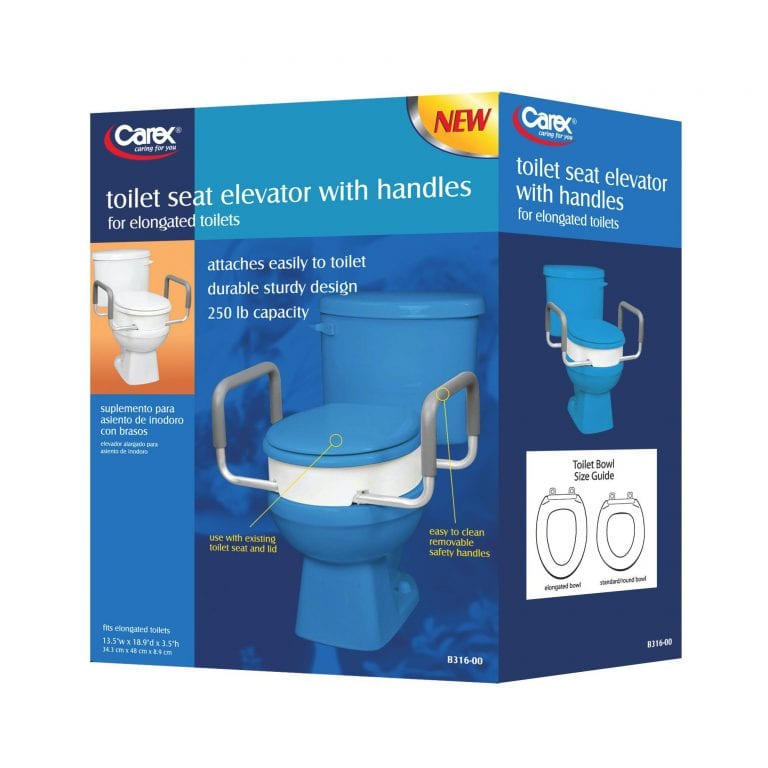
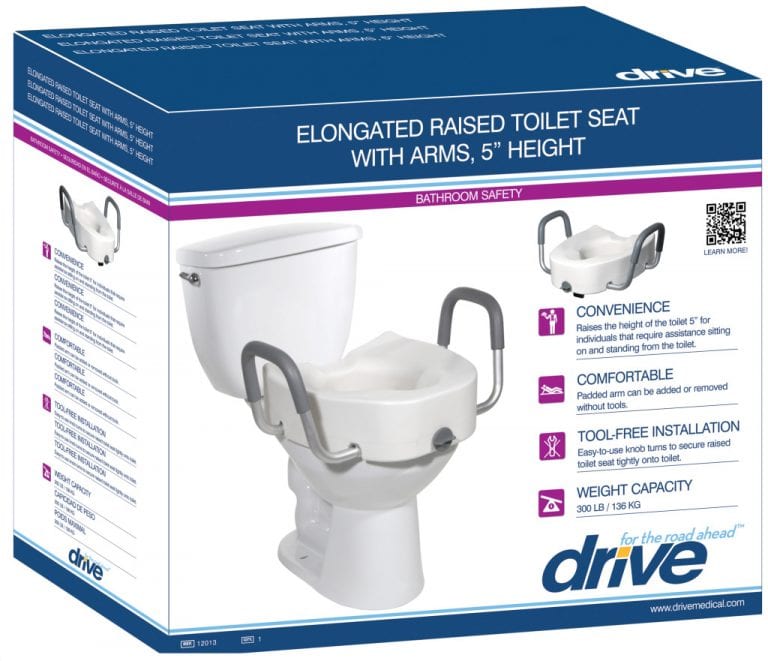
- ELEVATED TOILET SEAT RISER – This essential medical supply raised toilet seat is designed to provide added height and support for those with mobility issues or who have difficulty using a standard toilet. It raises the seat by 3.5 inches, making it easier to sit down and stand up.
- PADDED ALUMINUM ARMS – The riser features sturdy aluminum arms that are padded for comfort and support while using the toilet. The arms provide stability and can assist with balance when standing up or sitting down.
- COMPATIBLE WITH ONLY ELONGATED TRADITIONAL STYLE TOILETS – This raised toilet seat is designed exclusively for elongated traditional style toilets, measuring 19 x 14 inches. It will not fit european modern design one-piece toilets without back screws. PLEASE MEASURE YOUR TOILET BEFORE PURCHASING AND REFER TO IMAGES WITH DIMENSIONS FOR ADDITIONAL INFORMATION.
- SAFETY AND EASE OF USE – The raised toilet seat riser provides a safer and more comfortable bathroom experience for seniors, individuals with disabilities, or anyone who may have trouble using the toilet. It features a molded base with included pads under the riser to prevent slipping when in use.
- HIGH QUALITY CONSTRUCTION – Made from durable materials, this elevated toilet seat riser is built to last. Its lightweight yet sturdy design can support up to 300 pounds of weight capacity. It includes all parts and hardware to install the riser under your existing elongated toilet seat.
Last update on 2026-07-09 / Affiliate links / Images from Amazon Product Advertising API
The length between the handles on a toilet seat for the handicapped should be at least 18 inches. This can provide additional leverage to help you sit and stand up from the toilet.
The distance between the handles and the toilet bowl should be adequate, and the model’s shape should match the shape of the toilet bowl.
Buying a seat with handles should only be considered if the customer can stand up while using it.
Pros and Cons Of Toilet Seats For Handicapped
Pros:
- Accessibility: Toilet seats for handicapped individuals are designed to be more accessible and user-friendly. They support and help individuals with mobility limitations safely and easily transfer on and off the toilet.
- Safety: These seats are often equipped with safety features such as grab bars, armrests, and non-slip surfaces, reducing the risk of accidents and falls.
- Independence: Handicapped toilet seats allow individuals with disabilities to maintain their independence and privacy when using the bathroom, as they require less assistance from others.
- Comfort: Designed with ergonomics in mind, these seats provide added comfort for individuals with mobility limitations without straining their joints or muscles.
- Versatility: Toilet seats for handicapped individuals can be easily installed on existing toilets, making them compatible with most bathroom setups.
Cons:
- Cost: Specialized toilet seats for handicapped individuals tend to be more expensive than standard ones, as they are designed with additional features and materials.
- Limited application: Handicapped toilet seats are specifically designed for individuals with mobility limitations and may not be suitable for the general population. This might limit their usefulness in households with both disabled and non-disabled individuals.
- Installation: While some toilet seats can be easily installed, others might require professional assistance or modification to the bathroom, resulting in extra time and cost.
- Maintenance: Depending on the design, handicapped toilet seats may require additional cleaning efforts and maintenance compared to regular toilet seats due to their additional features and materials.
- Appearance: Handicapped toilet seats may be bulkier and less aesthetically pleasing than standard toilet seats. This might be a factor to consider for individuals who prioritize the visual appearance of their bathroom.

Last update on 2026-07-09 / Affiliate links / Images from Amazon Product Advertising API
Installing Toilet Seats For Handicapped
Installing a toilet seat for handicapped individuals usually involves several steps to ensure the seat is safe, secure, and meets the user’s needs.
Choosing the right handicapped toilet seat is a tricky task.
While some products are lightweight and easy to install, others are too heavy and may not be suitable for the user with a disability.
While the length of the handle should be adjustable, the seat’s weight should be under five pounds.
Here is a general guide:
Tools and Materials Needed:
- Adjustable wrench
- Screwdriver
- Measuring tape
- Toilet seat for the handicapped (with appropriate hardware)
- Possibly a riser or elevated seat if extra height is needed
- Gloves for hygiene
Installation Steps:
- Remove Existing Seat:
- Close the toilet lid.
- Locate the bolts at the rear of the seat.
- Use an adjustable wrench to loosen and remove the nuts underneath the bowl that holds the bolts.
- Lift the old seat off once the nuts are removed.
- Prepare Area:
- Clean the surface around the mounting area to ensure the new seat can be installed on a clean surface.
- Check New Seat Fit:
- Place the new handicapped toilet seat on the bowl to ensure it fits properly.
- Measure the bowl and the seat if necessary to ensure compatibility.
- Attach Hardware:
- If using a riser or an elevated seat, position it according to the manufacturer’s instructions.
- Align the holes in the toilet seat with the holes in the toilet bowl.
- Insert the provided bolts through the holes.
- Secure Seat:
- From underneath, screw on the nuts onto the bolts—Hand-tighten at first.
- Use an adjustable wrench to tighten the nuts, but be careful not to over-tighten as this could crack the porcelain.
- Check Stability:
- Wobble-check the seat to ensure it’s secure.
- If it moves, tighten the bolts a bit more.
- Final Touches:
- Snap-on any caps that cover the bolts for a tidy look.
- Test the seat by sitting down gently to ensure stability and comfort.
Notes:
- Follow any specific instructions provided by the toilet seat manufacturer, as designs and installation requirements can vary.
- ADA-compliant seats may have specific height requirements or additional features like handles or support arms, so refer to ADA guidelines as necessary.
- If the extra height is needed, consider a seat with an integrated riser or add a separate riser between the bowl and seat.
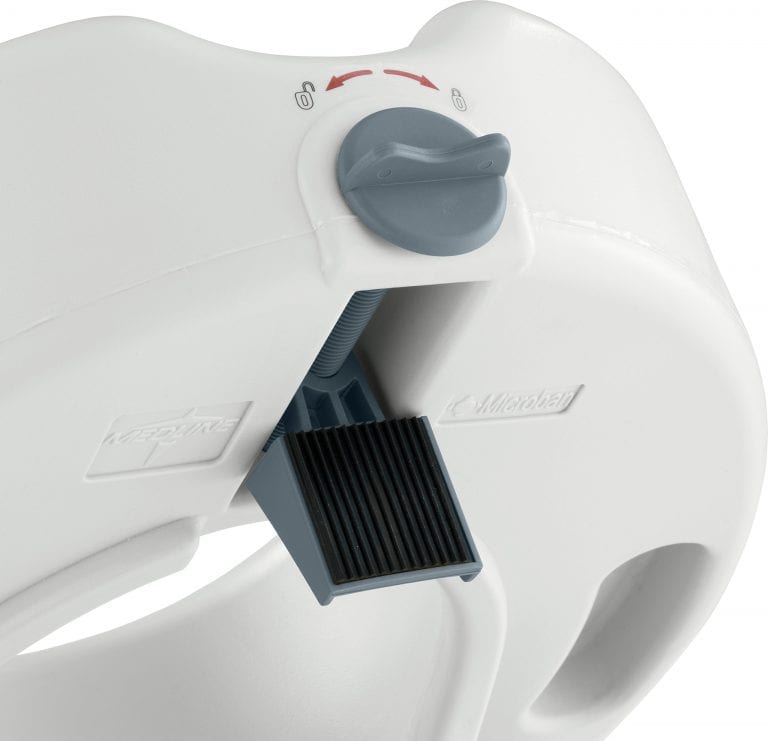
- Ensure that locking mechanisms (if present) are properly engaged for seats designed with removable functionality for cleaning or transfer assistance.
Remember to periodically check and retighten bolts if necessary, as they can become loose over time due to usage. Regular maintenance will ensure continued safety and stability for the user.
Final Thoughts
When installing a toilet seat for handicapped individuals, it is critical to prioritize safety and comfort. Ensure that the seat is installed securely and that all features function as intended.
Regular maintenance checks are important for ongoing stability.
It is also beneficial to consult with users to ensure that the new seat meets their specific needs and preferences.
Proper installation and maintenance of handicapped toilet seats can significantly enhance the independence and quality of life for individuals with disabilities.
The product should also be durable and comfortable for the user. When choosing a toilet seat for the handicapped, safety and ease of use should be considered.
Before purchasing a handicapped toilet seat, it is recommended that the length between the handles and the height of the toilet be measured.
Before ordering, it is essential to ensure that the toilet seat is designed to fit the dimensions of the toilet. Some seats are designed to fit only certain toilet types.
For example, a seat that is too wide is unsuitable for people in wheelchairs. In addition to the height, the seat width should also be adjustable.