
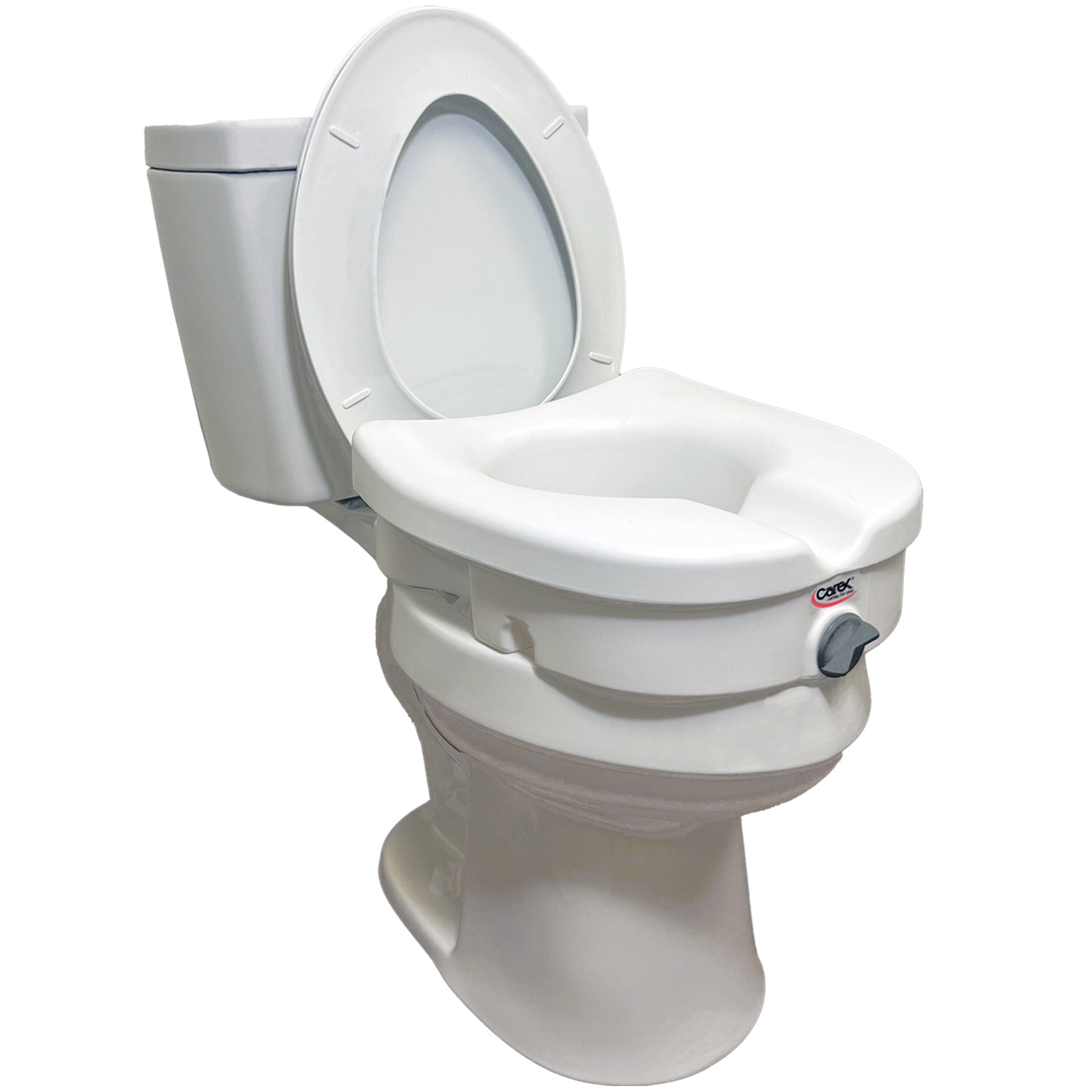
Unveiling the Hidden Concerns: What are the Disadvantages of Raised Toilet Seats?
Raised toilet seats are common aids in homes, hospitals, and care facilities.
They’re recommended for people who have trouble sitting or standing on a regular toilet, such as the elderly or those recovering from surgery.
At first, raised toilet seats seem like a simple solution—they add extra height, making it easier to sit and stand.
But while these devices can help, it’s important to look at the disadvantages too. Many people overlook these downsides until they create bigger problems.
If you’re thinking about getting a raised toilet seat, or helping someone decide, it’s smart to know both the obvious and hidden drawbacks.
This article explains the disadvantages of raised toilet seats in detail, using real examples and practical advice.
You’ll learn about safety, hygiene, comfort, and other factors most people miss.
By the end, you’ll have a clear view of whether a raised toilet seat is the right choice, or if other options might be better.

- Very Comfortable Toilet Riser… Carex raised toilet seats are very comfortable and our toilet riser with handles is designed to support up to 300lbs. E-Z lock toilet seat base makes this handicap toilet seat a leader in toilet seat risers for seniors
- Toilet Seat Lifter That Fits Most Toilets… The toilet seat riser will fit round, standard, and elongated toilets. The hole in the middle is 9”. The handicap toilet seat with handles over toilet has adjustable arms of 18-20″ a seat 15 1/2″ wide
- Toilet Riser Seat Adds 5 Inches To Toilet Seat Height… A 5” raised toilet seat provides toilet seat assistance for elderly and helps handicap sit or get up from toilet easily via the handles
- Raised Toilet Seat With Handles and Lock… A toilet seat riser that locks securely to toilet seats. Elevated toilet seat comes with toilet seat handles that are padded, acting as a comfortable and safe toilet chair
- Very Stable, Easy Installation… 3-step easy installation allows toilet seat to be installed in a minute or two. The toilet handles are also easy to install and can be removed via several screws

Last update on 2026-10-14 / Affiliate links / Images from Amazon Product Advertising API
Instability And Risk Of Falls
One of the most serious disadvantages of raised toilet seats is instability. Many designs use simple clamps or brackets to attach to the toilet bowl.
If not installed properly, these seats can shift or wobble when someone sits down or stands up. Even a slight movement can cause fear or imbalance, especially for older adults who already worry about falling.
Shorter users face another risk: their feet may not touch the floor when sitting on a raised seat. With feet dangling, it’s harder to balance and stand up safely.
This increases the chance of slipping or losing balance, particularly when moving from sitting to standing.
Some studies show that bathroom falls are a major cause of injury among seniors. Unstable raised toilet seats can increase this risk.
For example, if a 5’2” person uses a 6-inch raised seat, their feet might be several inches above the floor. If they try to shift their weight or reach for a grab bar, the seat could tip or move.
There are cases where users have fallen sideways or backwards because the seat detached from the toilet. These accidents can lead to bruises, broken bones, or a loss of confidence in using the bathroom independently.
For anyone with poor balance, muscle weakness, or low vision, this risk is especially worrying.
Comparing Stability: Raised Toilet Seats Vs. Powered Lifts
| Feature | Raised Toilet Seat | Powered Toilet Lift |
|---|---|---|
| Attachment Method | Clamp or bracket | Secured to floor or toilet |
| Stability | Can wobble or detach | Very stable |
| Fall Risk for Short Users | High (feet may dangle) | Low (feet supported) |
Poor Posture And Constipation
People rarely consider how changing toilet height affects the body’s natural position for bowel movements.
The typical squat position—where knees are higher than hips—helps straighten the colon and makes it easier to pass stool.
Standard toilets already reduce this effect compared to a squat toilet, but raised toilet seats make the angle even less natural.
When you sit on a raised seat, your knees may be lower than your hips. This can slow down digestion and make it harder to empty the bowels.
For people who already struggle with constipation, this small change can cause more discomfort and straining.
Some users notice that bowel movements become less regular after switching to a raised toilet seat. If you have to push harder, it can lead to hemorrhoids or other problems over time.
For those with digestive issues or a history of constipation, this is a real concern.
Example: Posture Impact
A 2019 study found that participants using a raised toilet seat reported more incomplete evacuations and greater straining than those using a standard-height seat.
This shows how even a small change in position can have a noticeable effect on daily comfort and health.

- More Safety & More Durable. The support rod under the aluminum raised toilet seat with handles is connected to the four support legs by welding, which provides higher stability and allows the load-bearing capacity to reach 400lbs. The four supporting legs have a degree of outward tilt, providing a better support experience. The rubber feets also play an excellent anti-slip role. All of these are designed to give you the safest experience
- Adjustable Height & Width. With tool-free assembly, the adjustable toilet riser with handles can adjust from 18.1″ to 23″ in seat height, 19.1″ to 23.2″ in product width, suitable for people of different heights and toilets of different sizes. It provides the most suitable and comfortable height and width for all seniors, handicapped individuals, and those recovering from surgery or injury
- Extra Large & Comfortable Padded Seat. The soft and comfortable padded seat is easy to clean and allows for extended sitting without discomfort. Non-absorbent, the non-slip pad surface will give stable support, which can prevent slips and falls for elderly users. And our seat size reaches 16.5 inches, the larger cushion will give you a better experience
- Non-slip Armrest & Leg Pad. The raised toilet seats for senior have non-slip armrest and each adjustable leg is equipped with non-slip rubber pad for stability and security. Solid structural design that provides a stable support for the user, allowing them to sit down or stand up from the toilet safety frame very safely through the handrails on both sides
- Measure Before Ordering. To ensure the perfect fit, please measure your toilet dimensions and surrounding space before ordering. This toilet riser for seniors is designed to fit most standard toilets. Enjoy peace of mind with HOMLAND’s 1-year warranty and dedicated US-based customer service that guarantees a response within 24 hours
Last update on 2026-10-14 / Affiliate links / Images from Amazon Product Advertising API
Difficulties For Shorter Users
Raised toilet seats are often available in standard heights, such as 2, 4, or 6 inches. But not all users are the same height. For shorter people, the extra height can make it difficult to sit with their feet flat on the ground.
When feet dangle, it’s harder to stabilize the body and stand up safely.
This is especially a problem for women, children, or anyone under about 5’5”.
With legs hanging, they may feel insecure, anxious, or physically unable to push themselves up. It’s like sitting on a high stool with no footrest—uncomfortable and risky.
Some people try to solve this by putting a small stool under their feet.
But this creates more clutter in the bathroom and can be a tripping hazard. In shared bathrooms, others may remove the stool, creating more confusion and risk.
Doesn’t Assist With Standing Like Powered Lifts
A major misconception is that a raised toilet seat helps people stand up on their own. In reality, it only reduces how far you have to bend down to sit.
When it’s time to stand up, you still need to use your own strength or rely on grab bars.
Powered toilet lifts, by contrast, actually raise and lower the user at the push of a button. These devices support your weight, moving you up and down smoothly. Raised toilet seats do not offer this type of help.
For people with weak legs, arthritis, or balance problems, a raised seat may not provide enough support to stand up safely.
They may need extra help from a caregiver or risk straining their muscles.
Over time, relying on a raised seat without enough support can actually make it harder to build confidence or independence in the bathroom.
Comparison: Support For Standing
| Feature | Raised Toilet Seat | Powered Toilet Lift |
|---|---|---|
| Assists with Standing? | No | Yes |
| Requires Arm Strength? | Yes | No |
| Reduces Need for Caregiver? | No | Yes |
Cleaning And Hygiene Issues
Bathrooms must be easy to clean, especially when several people use the same toilet. Raised toilet seats often create extra gaps and hard-to-reach areas where germs, urine, or stool can collect.
Many designs have seams, hinges, or clamps that trap dirt.
Most standard toilet seats are smooth and easy to wipe. Raised seats, however, may need to be removed and washed separately. This takes extra time and effort, and not everyone remembers to do it regularly.
For people with limited mobility, cleaning a raised seat can be very difficult. Caregivers may need help, which can be awkward or embarrassing.
In some cases, dirty or poorly cleaned raised seats can cause infections, bad smells, or skin irritation.
Example: Multi-user Homes
If several family members or roommates share a bathroom, a raised seat can quickly become a hygiene problem.
One person’s urine or stool residue can linger in hidden spaces, putting others at risk for urinary tract infections or other illnesses.
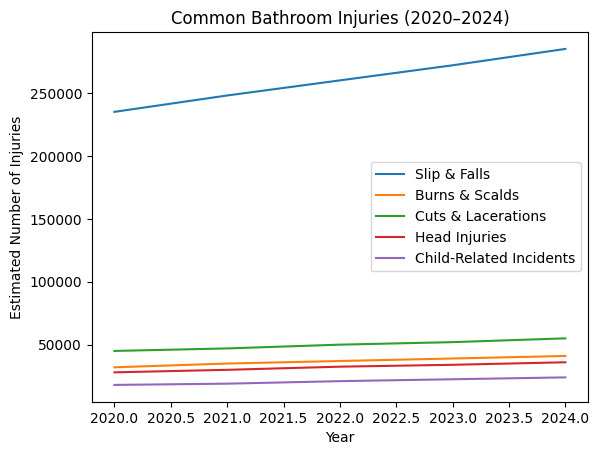
Now let’s look into what’s actually happening behind those numbers.
🚿 1. Slip & Falls (Largest Category by Far)
Trend: Steady increase each year
2024 Estimate: ~285,000 incidents
Why it’s so common:
- Wet tile and smooth flooring
- Lack of grab bars
- Rugs without non-slip backing
- Aging population (higher fall risk)
Most affected groups:
- Adults 65+
- Young children (especially during bath time)
Typical injuries:
- Hip fractures
- Wrist fractures
- Concussions
- Back injuries
Falls account for the overwhelming majority of bathroom-related ER visits.
🔥 2. Burns & Scalds
2024 Estimate: ~41,000 incidents
Trend: Gradual increase
Common causes:
- The water heater temperature is set too high
- Sudden cold-water pressure drops (toilet flush surprise)
- Hot styling tools left plugged in
Highest risk group:
- Children under 5
- Elderly individuals with slower reaction times
Water above 120°F (49°C) can cause burns in seconds.
🩸 3. Cuts & Lacerations
2024 Estimate: ~55,000 incidents
Trend: Climbing steadily
Common sources:
- Broken glass (mirrors, shower doors)
- Razors
- Slips into sharp fixtures
- Shattered ceramic sinks or toilets
While often less severe than falls, deep cuts can require stitches.
🧠 4. Head Injuries
2024 Estimate: ~36,000 incidents
These are often secondary to falls. Bathrooms have:
- Hard surfaces
- Tight spaces
- Ceramic and metal fixtures
Even a short-distance fall can cause a traumatic brain injury.
🧒 5. Child-Related Incidents
2024 Estimate: ~24,000 incidents
These include:
- Drowning (even in shallow water)
- Medication ingestion
- Tip-over accidents (climbing on counters)
- Toilet-related falls
The upward trend suggests supervision gaps and an increase in ER reporting.
📊 Overall Pattern
Every category shows gradual increases from 2020 to 2024. Possible contributing factors:
- Population growth
- Aging demographics
- More home time post-2020
- Improved injury reporting
- More home renovations (new fixtures = new risks)
No products found.
Compatibility And Fit Problems
Not all raised toilet seats fit every toilet. There are many different shapes—round, elongated, and specialty bowls. A seat that looks like it will fit may not sit securely on your toilet at home.
If the seat is too large or too small, it can wobble or slide, increasing the risk of falls.
Some raised toilet seats have adjustable clamps, but even these may not work with every brand or model. For example, some modern toilets have curved sides or integrated bidets that make it impossible to attach a raised seat.
When a seat doesn’t fit well, users may try to “make it work” with towels or other materials, which is unsafe.
A poor fit also means urine and stool can leak between the seat and the toilet, creating extra cleaning problems and bad odors.
Reduced Confidence And Over-reliance
Using a raised toilet seat for a long time can create over-reliance. People may lose confidence in their ability to use a standard toilet, especially when traveling or visiting others.
This can limit social activities or create anxiety about leaving home.
In some cases, family members or therapists notice that users become afraid to use any other toilet. They may avoid going out, or ask for help when they didn’t need it before.
Over time, this reduces independence and self-esteem.
For those recovering from surgery or injury, it’s important to plan when and how to discontinue use of a raised seat. Otherwise, the body may adapt to the new height, making it harder to return to normal function.
Example: Short-term Vs. Long-term Use
A person who uses a raised toilet seat for a few weeks after hip surgery may regain strength and confidence.
But if they keep using it for months or years, they might lose the ability to use regular toilets, limiting their independence.
Wobbly Or Poor-quality Models
Not all raised toilet seats are made to the same standard. Cheap models or those made from lightweight plastic can feel unstable or uncomfortable.
Some may crack, bend, or shift under the user’s weight.
Weight limits are important. Many raised seats are rated for about 250-300 pounds, but heavier users may find that the seat flexes or moves.
Even small movements can cause anxiety or accidents.
Some seats use simple friction to stay in place, with no locking mechanism.
These are most likely to cause problems, especially for people who move or shift a lot when sitting or standing.
Comparison: High-quality Vs. Low-quality Raised Toilet Seats
| Feature | High-Quality Seat | Low-Quality Seat |
|---|---|---|
| Material | Heavy-duty plastic/metal | Thin plastic |
| Weight Limit | 300+ lbs | 200-250 lbs |
| Locking Mechanism | Secure clamps or bolts | Simple friction fit |
| Risk of Wobble | Low | High |
Incompatibility With Bidets And Specialty Toilets
Many raised toilet seats are not designed to work with bidet attachments or specialty toilets. If you use a bidet for hygiene, you may find that the raised seat blocks the spray or prevents the bidet from working.
Some users try to remove and reattach the raised seat each time, but this is inconvenient and increases the risk of improper installation.
Specialty toilets, such as wall-mounted or compact models, may have shapes that don’t fit any standard raised seat. This limits choices for people who want both accessibility and modern bathroom features.
Interference With Toilet Lids And Seats
Raised toilet seats often require removing the existing seat and lid. In some models, the raised seat sits on top of the current seat, making the toilet even higher and more unstable.
In others, you must unscrew and remove the standard seat, which can be a hassle and may damage the toilet.
Without a lid, it’s harder to keep the toilet clean or prevent things from falling in. Some users find it uncomfortable or unsanitary to leave the toilet open all the time.
In shared bathrooms, this can also cause confusion or arguments about who is responsible for cleaning.

- Toilet Seat Riser with Handles: Our easy-to-clean toilet seats are designed for individuals who have difficulty sitting down or getting up from the toilet
- Raised Toilet Seat with Arms: The toilet seat adds 5 inches of height to your toilet seat, making it easier and safer to sit or stand.Use a non-abrasive detergent or household cleaner with warm water
- Adjustable Armrests: Easily remove or adjust armrest height to fit your needs; our toilet seat risers make perfect elderly assistance products and handicap accessories for daily living
- Tool-Free Installation: Simple locking toilet riser provides a reliable, secure fit on almost any toilet with tool-free installation
- Dimensions: 16.5 inches in depth x 17 inches in width x 5 inches in height; width between arms: 18 inches; overall height: 10 inches; weight capacity: 300 lbs

Last update on 2026-10-14 / Affiliate links / Images from Amazon Product Advertising API
Limited Aesthetic Choices
Bathrooms are personal spaces, and many people care about how they look. Raised toilet seats are often large, bulky, and made from plain white plastic.
They rarely match modern bathroom designs or color schemes.
For people who value style or want a welcoming home, the raised seat may be a downside. Guests may feel awkward or embarrassed using a visibly medical device, and some users feel their privacy is invaded by such obvious equipment.
While there are a few more attractive options, they are usually more expensive or harder to find. This limits choices for people who want both function and style.
Difficulties During Travel Or Social Visits
A raised toilet seat is a fixed device. If you become used to it, using standard toilets elsewhere can feel difficult or even scary. This can make travel, dining out, or visiting friends challenging.
Some people bring portable raised seats when traveling, but these are often bulky and not always allowed in public restrooms.
Others avoid leaving home for long periods, which can lead to isolation and reduced quality of life.
This issue is bigger for older adults who already feel nervous about falling or being away from home. The more dependent you become on a raised seat, the harder it is to adapt to different environments.
Potential For Pressure Sores
Long periods of sitting on a raised toilet seat, especially on hard plastic, can create pressure points. For users with thin skin, poor circulation, or at risk of pressure sores (bedsores), this is a real danger.
Most standard seats have some curve and flexibility, but raised seats are usually flat and hard. If you have to sit for more than a few minutes (for example, if you need extra time for toileting), pressure can build up on the buttocks and thighs.
Caregivers should watch for signs of redness, discomfort, or open skin. In some cases, a padded raised seat may help, but these are less common and harder to clean.
Extra Effort For Caregivers
Many people who use raised toilet seats need help from caregivers. These devices can make the caregiver’s job harder in several ways:
- The seat may wobble or move during a transfer, making it less safe.
- Extra cleaning is required, often in hard-to-reach areas.
- Removing and reinstalling the seat for cleaning or for other users is time-consuming.
These factors can add stress and physical effort to the caregiver’s day, especially when caring for several people or working in a facility.
Increased Cost Over Time
While most raised toilet seats are not expensive (prices range from $30 to $100), they can create extra costs:
- If the seat is poorly made, you may need to replace it often.
- Some models require professional installation.
- If a raised seat causes a fall or injury, medical costs can be much higher.
People often forget to factor in the cost of extra cleaning supplies or buying a better model after the first one fails.
- FSA/HSA Eligible: This raised toilet seat with handles is FSA and HSA eligible, making your purchase of this for home care easier and more affordable. Invest in safety and comfort for yourself, family, or friends using your health savings plans.
- Heavy-Duty & Anti-Slip Stability: Engineered as a sturdy toilet seat with a welded aluminum frame and four outward-tilt legs for superior support. Features non-slip rubber feet and a 400 lbs weight capacity to ensure maximum safety and durability, ideal as a handicap toilet seat or bathroom safety aid for elderly assistance.
- Fully Adjustable Fit: Customize the height (27.17″ to 33.07″) and width (21.65″ to 24.8″) of this elevated toilet seat to perfectly fit most standard toilets for bathrooms. This adjustable toilet riser for seniors is ideal as a toilet assistance for the elderly, individuals with disabilities, and those recovering from surgery or injury.
- Secure Comfort for Easy Living: Designed with a 16.1-inch extra-wide padded toilet seat that’s both waterproof and easy to clean. This cushioned toilet seat offers lasting comfort, while padded armrests and rubber-padded adjustable legs ensure safe, stable support, making it a reliable toilet chair for seniors for safe sitting and standing.
- Quality Assurance & Support: Features straightforward installation as a portable toilet seat or commode chair, and disassembles quickly for travel or storage. We stand behind this toilet seat riser with handles with dedicated customer support, ready to assist you with setup for your seniors must haves bathroom safety needs.
Last update on 2026-10-14 / Affiliate links / Images from Amazon Product Advertising API
Not Always Covered By Insurance
Another hidden disadvantage is that many insurance plans, including Medicare, do not cover raised toilet seats. This means users have to pay out of pocket, even if the seat is medically necessary.
Some people try to get a prescription or recommendation from a doctor, but coverage is rare. For families on a tight budget, this extra expense can be a burden.
For more information about what items are covered, you can check the official Medicare website.
Limited Weight Capacity
Weight limits are a real concern. Most raised toilet seats can safely support between 250 and 300 pounds. Heavier users may find that the seat bends, cracks, or comes loose.
Some bariatric models exist, but they are more expensive and harder to find. Using a seat that’s not designed for your weight is dangerous and can lead to sudden failure or injury.
Reduced Accessibility For Other Users
In shared bathrooms, a fixed raised toilet seat can make it harder for other people to use the toilet comfortably. Children or shorter adults may find it impossible to use.
Some may try to remove the seat, which increases the risk of improper reinstallation and accidents.
In workplaces or public buildings, this can create conflicts or require extra cleaning and maintenance. For families, it can be a daily source of frustration.
Noise And Discomfort
Raised toilet seats often make more noise than regular seats, especially if they shift or move during use. Some models creak, squeak, or bang against the toilet bowl, which can be embarrassing or startling for users.
Hard plastic seats can also feel cold and uncomfortable, especially in winter. This may discourage people from using the bathroom as often as needed, leading to other health problems.
Limited Availability Of Custom Features
Standard raised toilet seats are basic. They rarely have features like padding, heating, or built-in bidet sprays. For users who need extra comfort or hygiene, options are limited.
Some high-end models exist, but they are expensive and may not fit all toilets. For most people, the lack of customization means settling for a “one-size-fits-all” solution that may not meet all needs.

Credit: carex.com
Installation Challenges
Installing a raised toilet seat may sound easy, but it can be tricky:
- Some models require removing the existing seat and lid, which may need special tools.
- If the toilet bowl is non-standard, installation can be difficult or impossible.
- Poor installation increases the risk of wobbling or detachment.
People who are not handy may need help from a plumber or family member. Incorrect installation is a major cause of accidents.
Summary: Are Raised Toilet Seats Worth It?
Raised toilet seats help many people, but they come with a long list of disadvantages. They can increase the risk of falls, cause constipation, and make cleaning harder.
Shorter users may find them unstable, and they do not help with standing up as powered lifts do.
Over time, users may become too reliant, losing confidence in using standard toilets.
Other problems include poor fit, limited aesthetics, travel challenges, and extra costs. In some cases, a raised seat may cause more harm than good, especially if not installed or used correctly.
When choosing bathroom aids, it’s important to consider all options, including grab bars, powered lifts, and physical therapy.
For some people, a raised toilet seat is a temporary solution, not a permanent fix. Think carefully about your needs, and talk to a healthcare professional before making a decision.

- For Elongated Toilets Only – Feels Just Like a Normal Seat: This riser adds 3 inches of height to make sitting and standing easier and safer. It feels and functions just like a regular toilet seat—you can raise or lower it as usual, no awkward gaps and it includes a soft-close lid and anti-slam seat.
- Easy to Install – Don’t Risk a Fall, Trust It for Good: Other elevated toilet seats use a “locking mechanism” to stay in place—but they can still shift, wobble, or slip, especially when weight is applied from the side. Ours bolts directly to your toilet, so it stays firmly in place. So stable, you can stand on one side!
- Looks Great – No Medical, Hospital or Construction Site Vibe: Lunderg’s thoughtful design feels like home. Having guests over? Just remove the wood finish handles and pop in the included cartridges/covers for a clean, discreet look.
- No Legs = No Tripping Hazard + Easy Cleaning: Unlike bulky floor-standing toilet risers for seniors that can be a fall risk, trip hazard, or get in the way, ours attaches directly to the toilet for greater safety and convenience. No legs also mean easy cleaning, keeping your bathroom hygienic and clutter-free.
- Built to last: Thoughtfully crafted from high-quality materials. The quick-release hinge allows for effortless seat removal and deep cleaning. The wide 21-inch sitting space between handles supports up to 300 lbs and fits most bathrooms. If you ever need help, our 24/7 customer service is here—just reach out and we’ll make it right.
Last update on 2026-10-14 / Affiliate links / Images from Amazon Product Advertising API
Frequently Asked Questions
What Are The Main Dangers Of Using A Raised Toilet Seat?
The main dangers are instability (which can lead to falls), poor fit (which can cause shifting or detachment), and poor posture (which can cause constipation). For shorter users, feet may dangle, increasing the risk of falling when standing up.
Can Raised Toilet Seats Cause Constipation?
Yes. Raised toilet seats make the sitting angle more like a chair and less like a squat. This can slow down bowel movements and cause or worsen constipation for some users.
Are Raised Toilet Seats Difficult To Clean?
Many raised toilet seats have extra seams, hinges, or clamps that trap dirt and germs. They often need to be removed for cleaning, which can be hard for people with limited mobility. Over time, poor cleaning can lead to bad smells or infections.
Do Raised Toilet Seats Help You Stand Up?
They make it easier to sit and stand by reducing the distance, but they do not assist you in standing like powered lifts do. You still need to use your own strength or rely on grab bars.
Are There Safer Alternatives To Raised Toilet Seats?
Yes. Alternatives include powered toilet lifts, grab bars, or physical therapy to improve strength and balance. Some toilets are made at a “comfort height” that’s higher than standard, which can help without adding a loose device.
If you want to learn more about raised toilet seats and alternatives, check resources like the CDC Falls Prevention page for safety tips and statistics.
Choosing the right bathroom aid is about safety, comfort, and independence. Take time to consider the pros and cons before making a decision.


One Comment