Raised Toilet Seats for Children: Safer, More Comfortable Potty Training
Potty training is a major step toward independence, but an adult-sized toilet can feel enormous to a young child. The seat may seem too wide, the bowl too deep, and the height intimidating.
A raised children’s toilet seat, also called a child toilet seat insert or toilet seat reducer, can make the toilet opening feel smaller and easier to manage.
A child-sized seat can help a child feel more secure while sitting. It may also make the transition from a potty chair to the family toilet easier.
However, the right seat is only one part of a successful potty-training routine. Children still need patient instruction, close supervision, and a stable way to get on and off the toilet.
This article explains what a raised children’s toilet seat does, how to choose one, what safety and cleaning details to consider, and how to introduce it without adding pressure. It also includes a quick-reference chart of 10 practical tips.
What Is a Raised Children’s Toilet Seat?
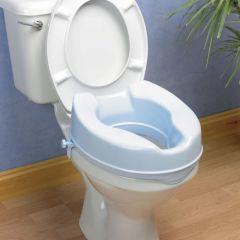
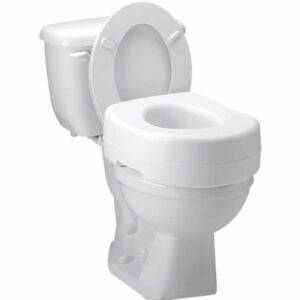
The term “raised children’s toilet seat” can refer to a few different products. Most commonly, it means a smaller seat that fits over or replaces the regular toilet seat. It reduces the opening size, helping a child sit without feeling like they might slip through.
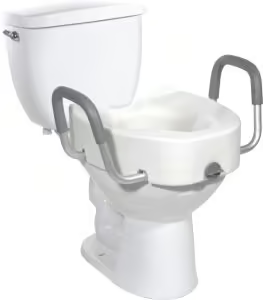
Some products are simple removable inserts. Others include handles, a step stool, or a ladder-style frame. These designs are not interchangeable: a seat insert addresses the seating opening, while a step stool or ladder can help a child reach the toilet and position their feet.
Check the product description carefully so you know what is included. In particular, don’t assume a toilet seat insert raises a child closer to the floor. The toilet itself remains at its original height; a child may still need a stable step stool to climb up and to rest their feet.

- FLIPS DOWN, THEN UP: The Drop Down Potty Seat stays on the toilet and flips down when your toddler needs it, then flips up out of the way when an adult does. Nothing gets carried in and out of the bathroom.
- ROUND OR ELONGATED TOILETS: An adjustable strap fits both round and elongated toilets, and suction cups securely attach the seat to the toilet lid with zero tools required. A soft anti-slip rim sits against the seat.
- FOR THE TODDLER YEARS: Designed for children ages 18 months to 3 years, the stretch where a kid is done with a floor potty but not steady on a full-size seat. Stay with your child while they are using it.
- POPS OFF FOR CLEANING: Simply pop the seat off for hassle-free cleaning, with no sticky residue left on the lid. Wipe both sides and the underside of the rim, dry it, and press it back onto the lid.
- ONE SEAT, NO TOOLS: Includes the Drop Down Potty Seat with suction cups and an adjustable strap, ready to fit without a screwdriver. From Fridababy, the parent-first brand making practical solutions for parents and kids.

Last update on 2026-11-28 / Affiliate links / Images from Amazon Product Advertising API
Why Some Families Use a Child Toilet Seat
A standard toilet is designed for adults, so a small child may need help sitting down, staying balanced, and getting back up. A child-sized insert can make the sitting area feel less oversized. For some children, that added sense of security makes trying the toilet less daunting.
A child seat may also help with the transition from a potty chair. Instead of moving immediately from a small floor-level potty to a large toilet, a child can become familiar with using the household toilet while still having a smaller seating surface.
The benefits vary from child to child. Some children are happy to use a regular toilet with a footstool; others prefer an insert. A child who dislikes the insert should not be forced to use it. The goal is to make bathroom practice feel safe and manageable, not to make a particular product a requirement for success.
The Role of Foot Support and Posture
A secure seat matters, but so does a stable position. A child’s feet may dangle when they sit on a standard-height toilet. Dangling feet can make it harder to feel balanced and relaxed.
A sturdy, non-slip footstool can give a child somewhere to place their feet. Look for a stool that is the right height for your child and has a non-slip surface. Teach your child to use it safely, and supervise them as needed. Avoid improvised steps, wobbly furniture, or objects that can tip.
For a bowel movement, some children find it more comfortable to support their feet and keep their knees slightly higher than their hips. A suitable footstool may help create that position, but use it only if the child can sit securely and safely. If toileting is painful, difficult, or persistently stressful, ask your child’s healthcare professional for advice rather than relying on equipment alone.
Types of Children’s Toilet Seats
Removable seat insert: A lightweight, child-sized insert that rests on the regular toilet seat. It is usually easy to remove and store. Check that it fits the toilet and stays stable during use.
Seat with handles: Some inserts have handles for a child to hold while sitting or standing. Handles may help some children feel steadier, but they do not replace supervision or a secure fit.
Combination seat and step stool: These products combine a child seat with steps or a platform. They can help a child climb up, but they take up more space and require careful setup. Follow the manufacturer’s directions and check stability each time.
Portable travel seat: A foldable or compact insert can be useful when visiting relatives or traveling. Some are designed to fit into a bag. Make sure it is clean, compatible with the toilet, and secure before use.
Potty chair: A potty chair is a separate, low-to-the-ground option rather than an insert for the adult toilet. Some families start with a potty chair and later transition to the toilet; others begin with a toilet insert. Either route can work if it suits the child.
Pros and Cons
Pros:
- Safety: Raised toilet seats can reduce the risk of falls and injuries by offering a height that’s appropriate for children.
- Independence: It allows children to use the bathroom independently, fostering confidence and self-reliance.
- Comfortable: These seats are typically designed for comfort, making the toilet experience more pleasant for kids.
- Hygiene: Using their own seat helps children maintain better hygiene by minimizing contact with the adult toilet seat.
- Easy Installation: Most models are easy to install and remove, making them convenient for households with one bathroom.
Cons:
- Limited Compatibility: Not all raised toilet seats fit all standard toilets, so measure carefully before purchase.
- Storage: They can take up extra space in the bathroom when not in use.
- Transition Phase: Children will eventually outgrow the raised seat and need to transition to a regular toilet seat. This could be another learning curve for some kids.
- Cleaning: Depending on the model, some raised seats might be harder to clean than regular toilet seats.

- 【Let Kids Feel Comfortable and Secure during Process】When kids is sitting on the seat, The toilet seat insert is comfortable padded and their hands can hold the handles on side at the same time their feet can relax on the second step. Those features will let your kids feel calm and secure throughout potty training process.
- 【Upgrade Design and Premium Material】This upgrade design of potty training seat compensates for the defects of the existing design with durable soft cushion, wider steps, comfortable handles, optimized splash guard and anti-slip enhanced design. The toddler toilet seat constructs of premium plastic material and can bearing weight capacity is up to 120 lbs.
- 【Best Assistance for Toddlers Independance】Potty training toilet seat provides the best assistance for your growing toddlers. They can use for all the steps of potty training form climbing up to the toilet to sit on the toilet, and flush the toilet by themselves. They can also learn to fold potty training seat beside toilet.
- 【Easy to Assemble and Clean】It can use easy to assemble according to the instruction steps within minutes.The potty training toilet seat is waterproof and easy to wipe down with damp cloth if it gets dirty.
- 【Practical Gift Idea】The versatile toddler toilet seat is a perfect gift for boys and girls as birthday gifts, Christmas gifts etc. We will deliver outstanding products and service to you, your kids and friends in every interaction, every time.
Last update on 2026-11-28 / Affiliate links / Images from Amazon Product Advertising API
Start by checking your toilet. Toilet bowls are usually round or elongated, and a product designed for one shape may not fit the other well. Read the product’s compatibility information and compare it with your toilet before buying.
How to Choose the Right Raised Children’s Toilet Seat
Next, consider your child’s comfort and abilities. Does your child feel nervous about the large opening? Would they benefit from handles? Can they climb onto the toilet safely, or do they need adult help? A simple insert may be enough for a confident child, while another child may prefer a potty chair or a product with a broader support base.
Look for a seat that:
- Fits the toilet shape and size specified by the manufacturer.
- Sits firmly without wobbling or sliding.
- Has smooth, easy-to-clean surfaces.
- Uses durable materials and has no sharp edges or loose parts.
- Is simple for an adult to install, remove, and clean.
- Has a weight limit and age guidance that suit your child.
If considering a step stool or ladder-style seat, check that it fits the bathroom layout and can be placed on a dry, level floor. Avoid using a product if it feels unstable, doesn’t fit the toilet as intended, or has damaged parts. Reviews can offer practical impressions, but the manufacturer’s instructions and safety guidance should take priority.
Introducing the Seat Without Pressure
Let your child see and explore the seat before expecting them to use it. Explain in simple language what it is for, and let them help choose where it will be stored or how it will be set up. If they seem unsure, show them how it fits on the toilet when they are not under pressure to sit.
Offer opportunities to try the toilet at predictable times, such as after waking or after a meal, if that works for your family. Keep invitations calm and brief. Avoid making the child sit for a long time or treating every attempt as a test.
Praise effort, such as telling you they need to go, walking to the bathroom, or trying to sit. Accidents are a normal part of learning. Respond calmly, help the child clean up in an age-appropriate way, and try again later. Children develop at different speeds, and readiness can include communicating a need, staying dry for a period, showing interest in the toilet, or following simple steps.
If your child resists the insert, consider whether the seat feels unstable, the toilet is uncomfortable, or the transition is happening too quickly. You can pause, return to a potty chair temporarily, or try again later. If you have concerns about readiness or ongoing toileting difficulties, consult a pediatric healthcare professional.

Last update on 2026-11-28 / Affiliate links / Images from Amazon Product Advertising API
You can see how good they look by browsing these companies’ websites online.
When buying these toilet seats for your child, take your time and review the available models.
Don’t rush; take the time to choose the best option for your child.

- HIGHLY COMPATIBLE AND ADJUSTABLE: Four-level length adjustment 16.53 to 17.71 in (42–45 cm); fits toilet seats wider than 11.22 in and longer than 16.53 in; TPE cushion for comfort during use
- SAFE AND SECURE: Four heavy-duty suction cups firmly attach seat to toilet surface; prevents shifting or tipping; ensures toddlers aged 1-3 years sit securely without wobbling
- RAISED SPLASH GUARD DESIGN: 0.98 in (2.5 cm) raised splash guard prevents urine from splashing onto clothing, floor, or toilet rim; keeps boys and girls clean; maintains bathroom tidiness
- SAFE AND DURABLE MATERIAL: Made from durable PP material; sturdy, long-lasting, and odor-free; provides comfortable seating surface; allows children to sit securely without irritation
- EASY TO CLEAN AND STORE: Waterproof, stain-resistant seat rinses clean under running water; attaches to smooth wall using built-in suction cups to drain and air dry; saves storage space
Last update on 2026-11-28 / Affiliate links / Images from Amazon Product Advertising API
Recommended Models
- BABYBJORN Toilet Trainer: This seat is adjustable, easy to clean, and has a built-in splash guard. It fits most toilets and features a practical handle for easy removal and storage.
- Munchkin Sturdy Potty Seat: This model offers a comfortable, secure seat. It includes handles for added safety and a guard to prevent splashes.
- Potty Training Seat with Step Stool Ladder by SKYROKU: This toilet seat and step stool combo helps children climb up and down easily. It’s adjustable to fit various toilet heights.
- Fisher-Price Perfect Fit Potty Ring: This seat comes with a handle and a hook for easy installation and storage. It also features a contoured design for comfort.
- Summer Infant 2-in-1 Toilet Trainer: This model functions as a standalone potty or a toilet seat topper. It’s a versatile choice that grows with your child’s training progress.
Safety: Installation, Supervision, and Everyday Use
Always install and use the product according to its instructions. Before each use, check that the insert is positioned correctly and doesn’t move when an adult gently tests it. If it slips, wobbles, or no longer fits securely, stop using it until you address the problem.
Stay close enough to help your child get on and off safely, especially during the early stages. Don’t let a child climb onto the toilet by standing on an unsecured seat, lid, or improvised step. If the child needs help reaching the toilet, use a stable product intended for that purpose.
Keep the bathroom floor dry and free of objects that could cause a trip. Store portable seats where they can dry between uses, and inspect products regularly for cracks, loose components, or other damage. Replace any seat that becomes unstable or damaged.
Cleaning and Hygiene
Follow the manufacturer’s cleaning instructions. In general, wipe the seat after use as needed and clean it regularly with a bathroom cleaner suitable for its material. If the seat has removable pieces, take them apart only as directed so you can clean areas where moisture or residue collects.
Wash your hands after toileting and help your child learn the same routine. Keep cleaning products out of children’s reach, and don’t mix cleaners. If you use a portable seat away from home, carry it in a separate bag and clean it before storing it again.
Common Questions
Does a raised children’s toilet seat work for every child?
No. Some children prefer a toilet insert, while others prefer a potty chair or the regular toilet with a footstool. Choose a safe option your child can tolerate, and adjust the approach if it causes distress.
Does the insert replace a step stool?
Usually not. An insert makes the toilet opening smaller but does not help a child reach the toilet or support dangling feet. A stable, appropriately sized footstool may be useful if the child needs one.
Can one seat fit every toilet?
No. Fit varies by toilet shape and product design. Check the manufacturer’s compatibility details before using a seat.
How long should my child use the seat?
There is no fixed timeline. Some children use an insert briefly; others prefer it for longer. When your child can sit securely and feels ready, you can gradually offer the regular seat, with adult support and a footstool if needed.
What if my child is afraid of the toilet?
Take a break from asking them to sit, and allow them to become familiar with the bathroom and equipment at their own pace. Keep the routine reassuring and pressure-free. If fear or toileting problems persist, seek guidance from a healthcare professional.
Quick Chart: 10 Tips for Using a Children’s Toilet Seat
| # | Tip | Why it helps |
|---|---|---|
| 1 | Check the toilet shape and product compatibility. | A proper fit helps the seat stay in place. |
| 2 | Follow the manufacturer’s installation instructions. | Each product may attach or position differently. |
| 3 | Test for movement before your child sits down. | A loose or wobbly seat can feel unsafe. |
| 4 | Use a stable footstool if your child’s feet dangle. | Supported feet can help the child feel balanced. |
| 5 | Supervise climbing on and off. | Young children may need help with the height. |
| 6 | Let your child get familiar with the seat first. | A gradual introduction can reduce apprehension. |
| 7 | Keep toilet practice relaxed and brief. | Pressure can make learning more stressful. |
| 8 | Clean the seat regularly as directed. | Routine cleaning supports bathroom hygiene. |
| 9 | Inspect for cracks, loose parts, or slipping. | Damaged equipment may no longer be safe to use. |
| 10 | Adjust your approach to your child’s comfort. | A potty chair or another safe option may work better. |
Raised Toilet Seat FAQs
- How does a raised children’s toilet seat benefit my child during potty training?
A raised children’s toilet seat provides several benefits for your child during the potty training process. Firstly, it offers added stability and support, reducing the risk of falls or slips while your child uses the toilet independently.
It also helps to bridge the gap between a regular adult-sized toilet and your child’s smaller frame, making them feel more secure and comfortable during their bathroom routine.
- Is the raised children’s toilet seat adjustable?
Yes, most raised children’s toilet seats include adjustable features to accommodate growing kids.
These seats typically have hinges that let you adjust the height, ensuring an optimal fit for your child at each stage of development.
- Will the raised children’s toilet seat fit on any standard toilet?
Generally, raised children’s toilet seats fit most standard toilets. However, we recommend checking the product specifications or consulting the manufacturer to ensure compatibility before purchasing.
- Are raised children’s toilet seats easy to clean and maintain?
Hygiene is a top priority for children’s and bathroom products. Most raised children’s toilet seats are made from high-quality materials that are easy to wipe down and clean.
This helps create a germ-free environment for your child while simplifying your cleaning routine.
- Can I use a raised children’s toilet seat for multiple children in my household?
Certainly! Many families value investing in a raised children’s toilet seat that can be shared among siblings or passed down as younger ones begin potty training.
The adjustable features of these seats make them versatile enough to fit different ages and sizes, which is especially convenient for families with multiple little ones.
In conclusion, a raised children’s toilet seat offers practicality, safety, and hygiene benefits during potty training.
Its adjustable features, compatibility with standard toilets, and easy maintenance make it an essential tool for parents seeking a stress-free and successful potty training experience for their children.
Our Conclusion
A raised children’s toilet seat can make an adult toilet feel more approachable by providing a smaller seating surface. It may help some children feel more secure and support a gradual transition from a potty chair. The best choice depends on the child, the toilet, and the family’s routine.
Prioritize a secure fit, stable foot support when needed, careful supervision, and easy cleaning. Most importantly, keep practice calm and flexible.
A toilet seat is a helpful tool—not a shortcut or a guarantee—and children learn at their own pace.